
E-Invoicing and Payment-Terms Rules: What They Mean for Small-Supplier Buying
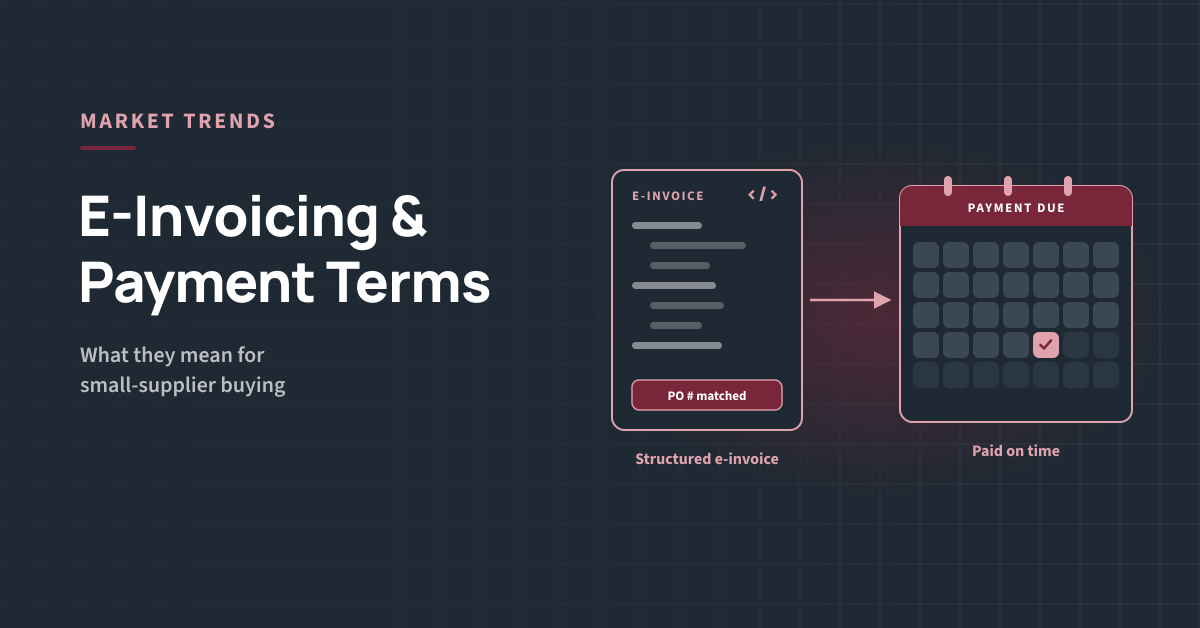
Two sets of rules are changing how organisations pay their smallest suppliers. E-invoicing mandates are replacing PDFs and paper with structured electronic invoices, country by country. At the same time, governments are tightening the rules on how long businesses can take to pay. Both land hardest on tail spend, where suppliers are small, numerous and […]
No-PO-No-Pay: How to Introduce It Without Disrupting Suppliers
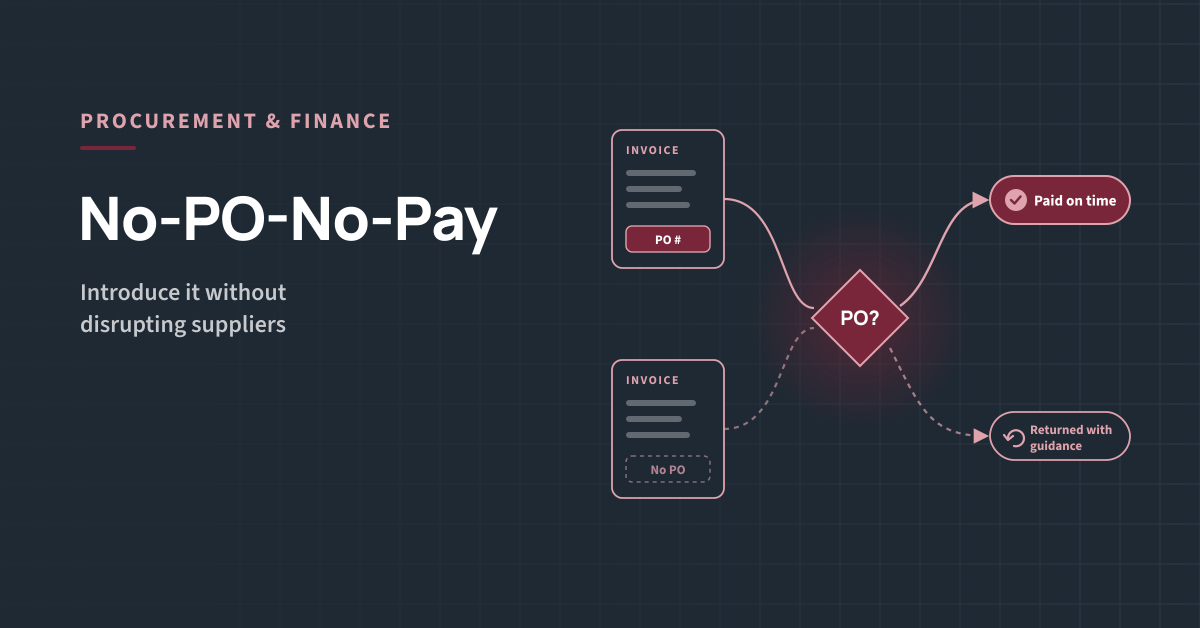
No-PO-no-pay sounds simple: if an invoice does not quote a valid purchase order, it is not paid until one exists. In practice, it is one of the most effective tail spend controls, and one of the easiest to get wrong. Introduced badly, it delays payments to small suppliers, floods accounts payable with queries and pushes […]
Autonomous Sourcing Explained: How AI Runs Spot-Buy RFQs
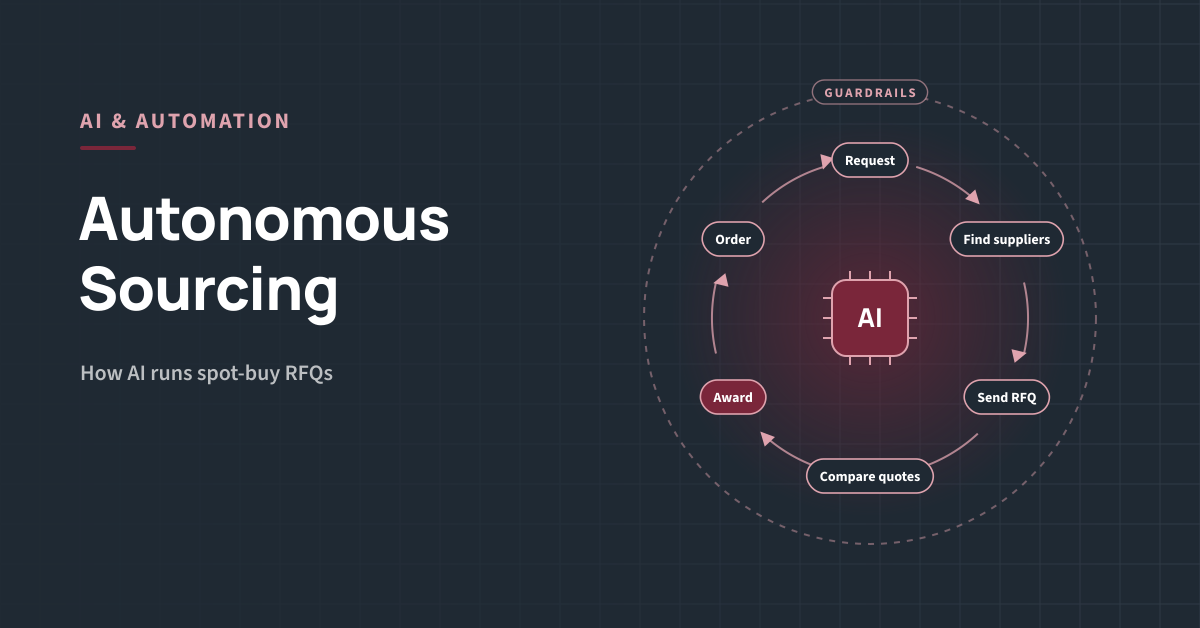
Spot buys are the part of tail spend that procurement teams find hardest to reach. Each one is small and different, so it rarely justifies a buyer’s time to find suppliers, chase quotes and compare offers. Autonomous sourcing hands that work to software: it runs the request for quotation, compares the responses and, within limits […]
Tail Spend KPIs: The Metrics That Show Your Programme Is Working
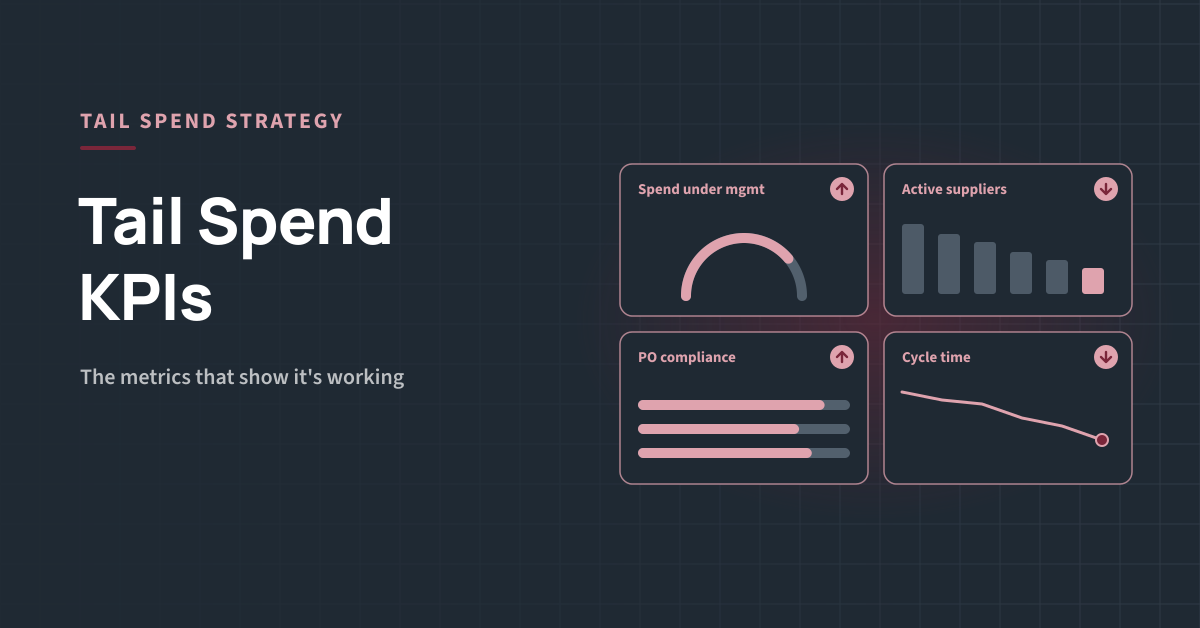
A tail spend programme is easy to start and hard to prove. New channels go live, policies are written and tools are switched on, but six months later someone asks whether any of it is working. Without the right measures, the answer is a collection of anecdotes. This guide sets out the KPIs that show […]
Software vs Managed Services vs Outsourcing: Choosing a Tail Spend Model
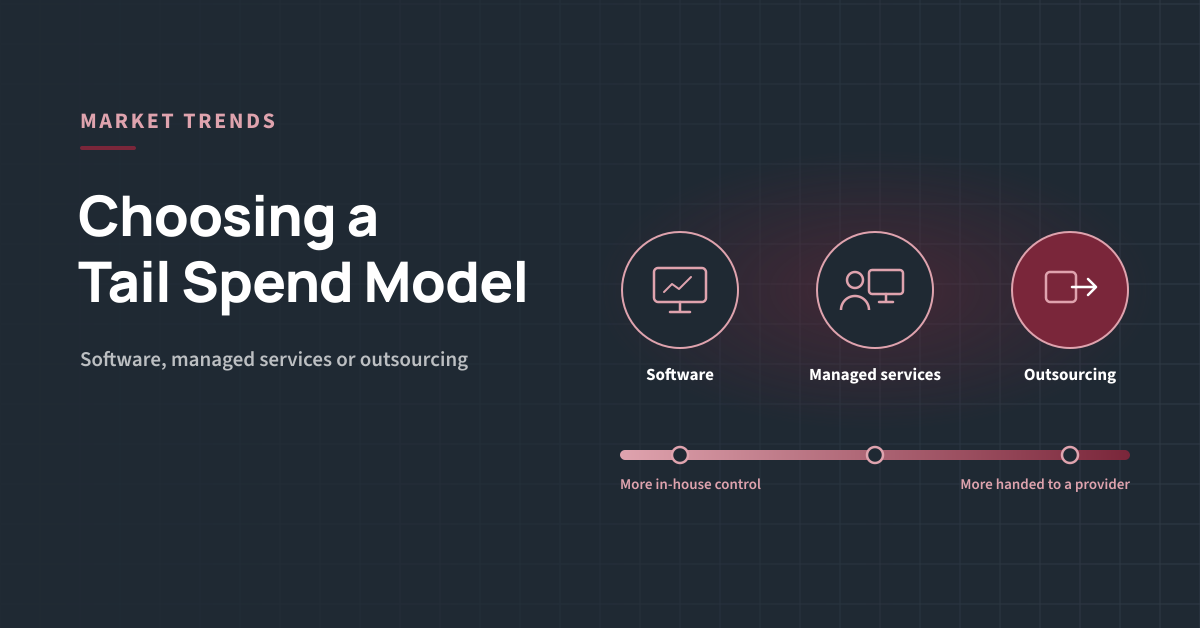
Once you decide to tackle tail spend, the next question is who will do the work. You can give your own team better tools, bring in a provider’s buyers to work alongside them, or hand defined buying activity to a partner entirely. Each model can work. The wrong one for your situation can cost a […]
P-Card Policy for Tail Spend: Controls That Work Without Slowing Buyers Down
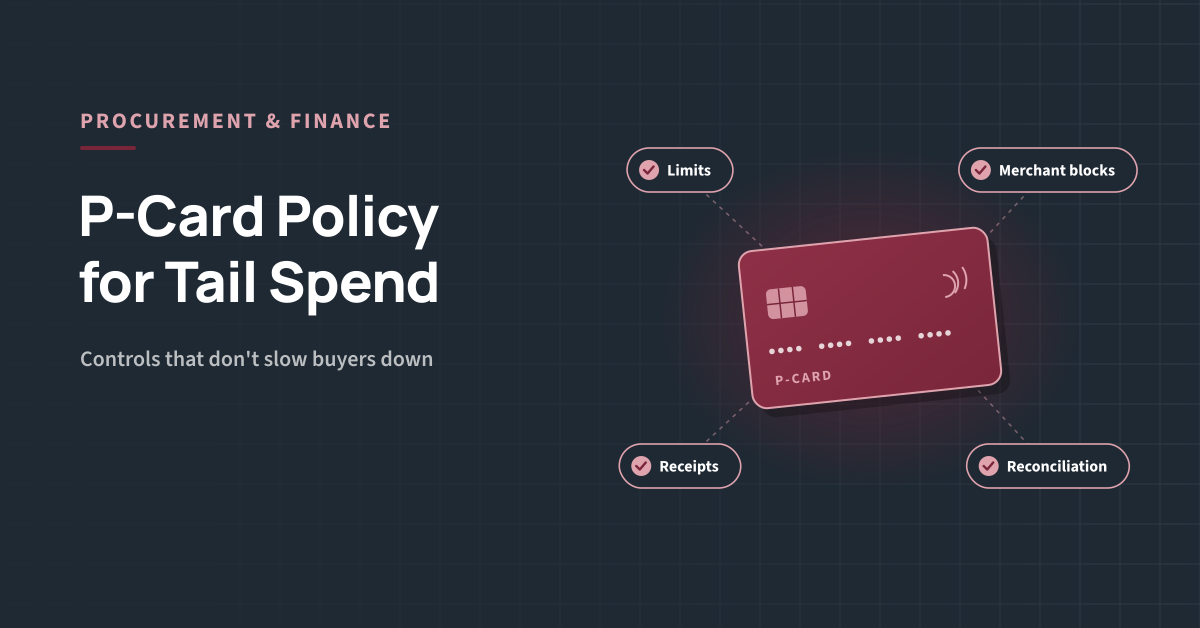
Purchasing cards are one of the simplest ways to handle tail spend. A small, low-risk purchase that would otherwise need a requisition, approval, purchase order, invoice and payment run can be paid in seconds. The catch is control. Without a clear policy, cards become a way around procurement rather than a channel within it. This […]
AI Spend Classification: How It Works and What to Check Before You Trust It

You cannot manage tail spend you cannot see, and you cannot see it until every transaction is in the right category. For years that meant analysts spending weeks cleaning spreadsheets. AI spend classification promises to do the same work in hours and keep it up to date. Often it delivers. Sometimes it produces a confident-looking […]
Spot Buying Explained: When and How to Use It for Tail Spend
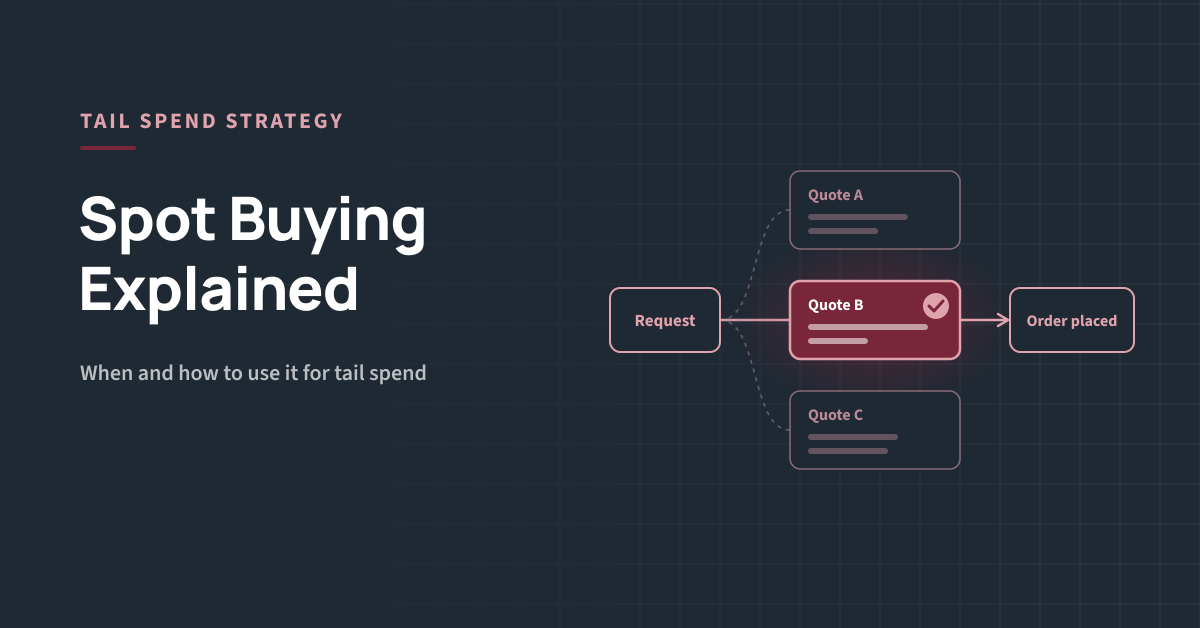
Not every purchase fits a catalogue or a contract. A venue for a one-off workshop, a specialist part for an urgent repair or a short piece of translation work all need buying, but none of them justify a full sourcing exercise. Spot buying is how most organisations handle these purchases, and how well it is […]
What Changed in Tail Spend Management in Q3 2026
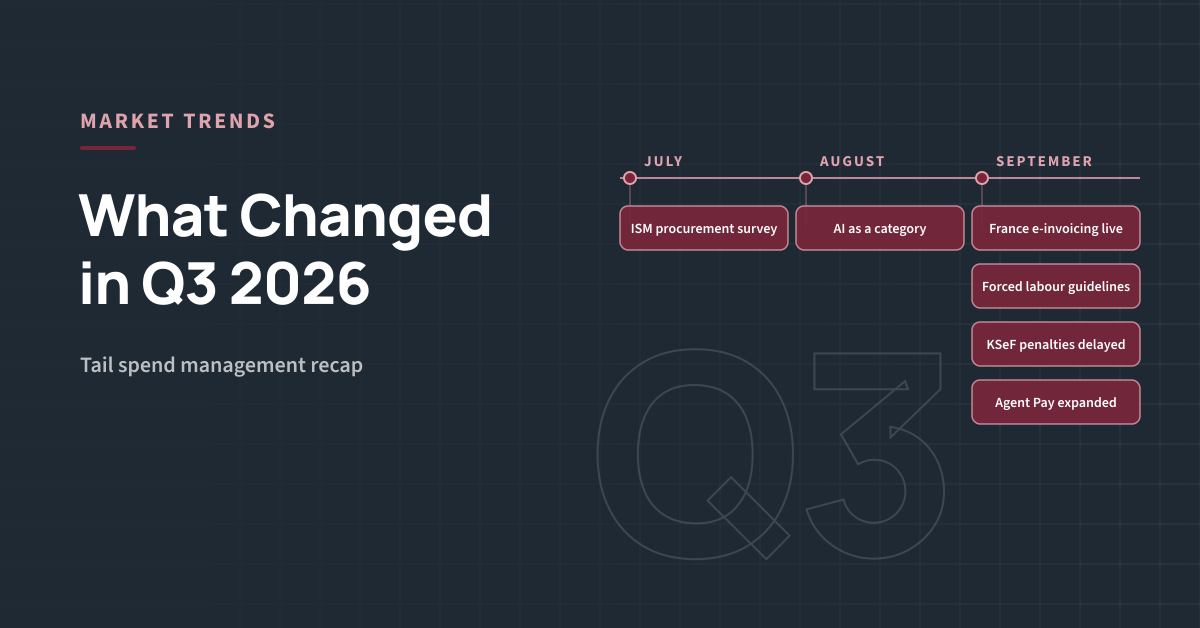
Every quarter, we look back at what changed in tail spend management and what it means for procurement and finance teams. This edition covers 1 July to 30 September 2026. It was a quarter of follow-through rather than surprises: rules announced earlier took effect or were clarified, analysts pushed procurement to take ownership of AI, […]
How to Calculate Cost per Purchase Order (With a Worked Formula)
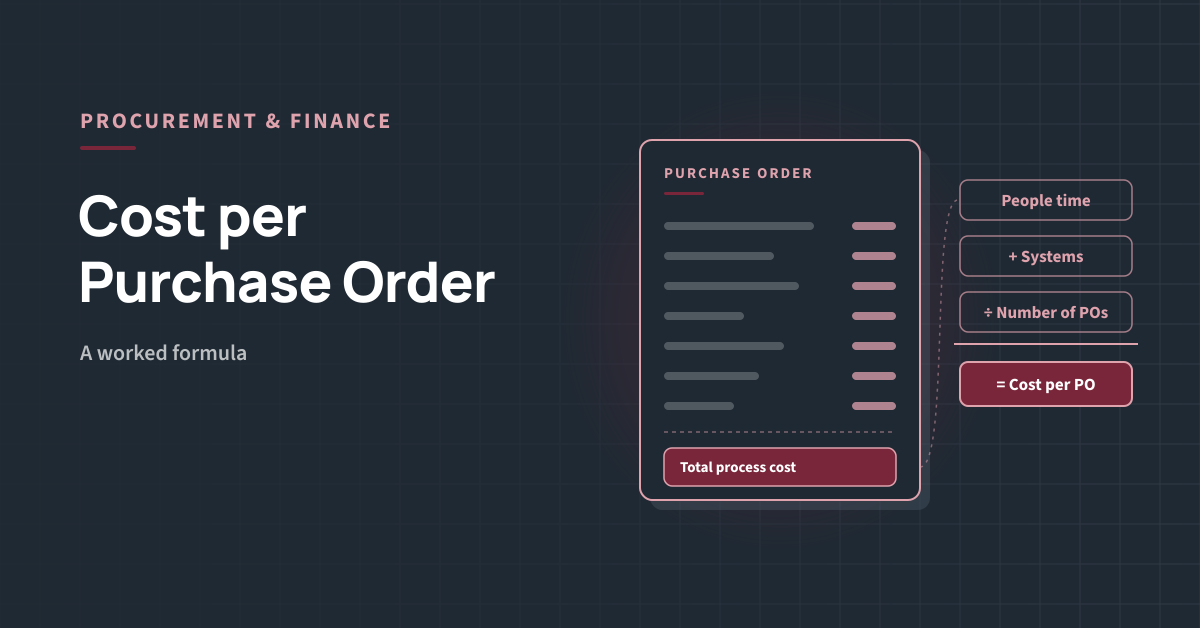
Cost per purchase order is one of the most useful numbers in procurement and finance, and one of the least often measured. It tells you what it costs your organisation to process a single purchase, from the first request to the final payment. For tail spend, where purchases are small and frequent, that number can […]